
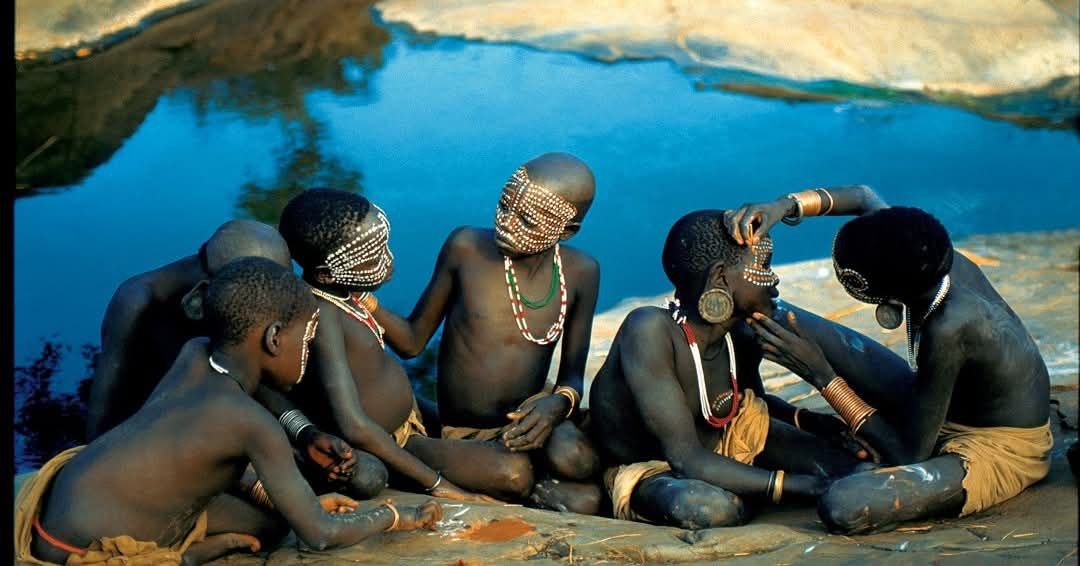
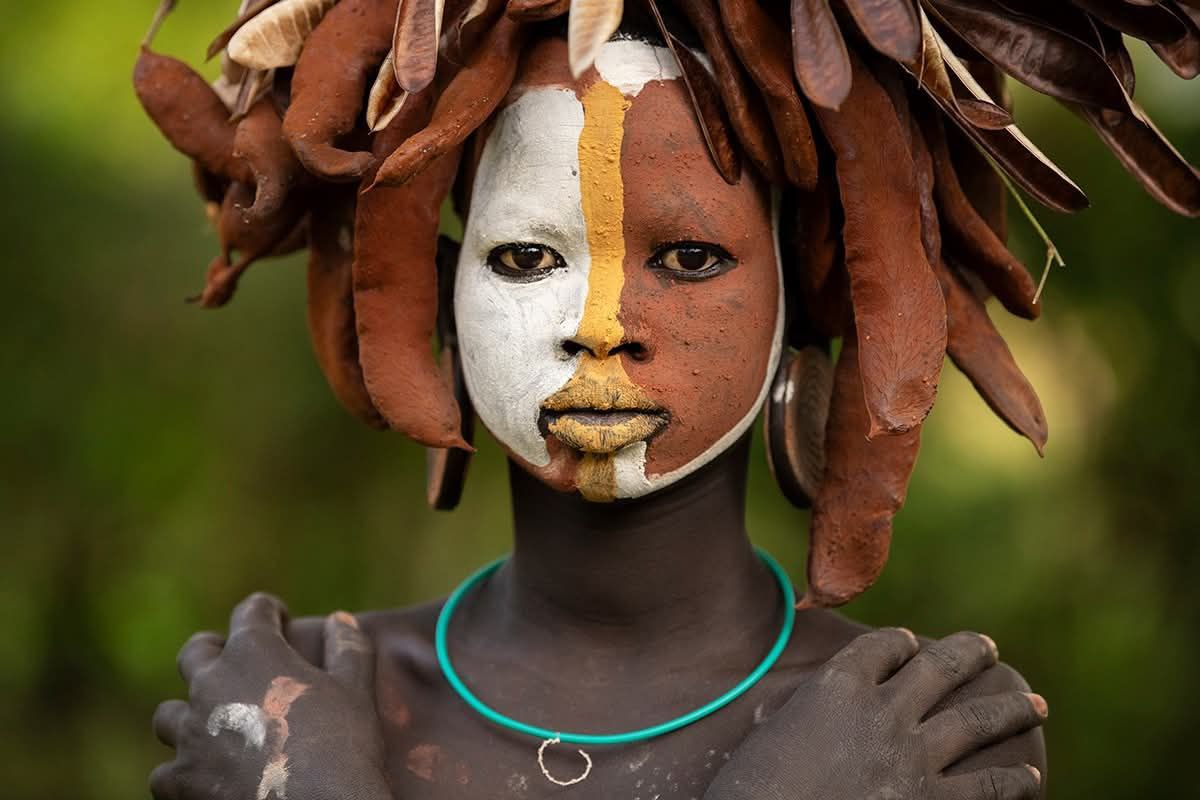
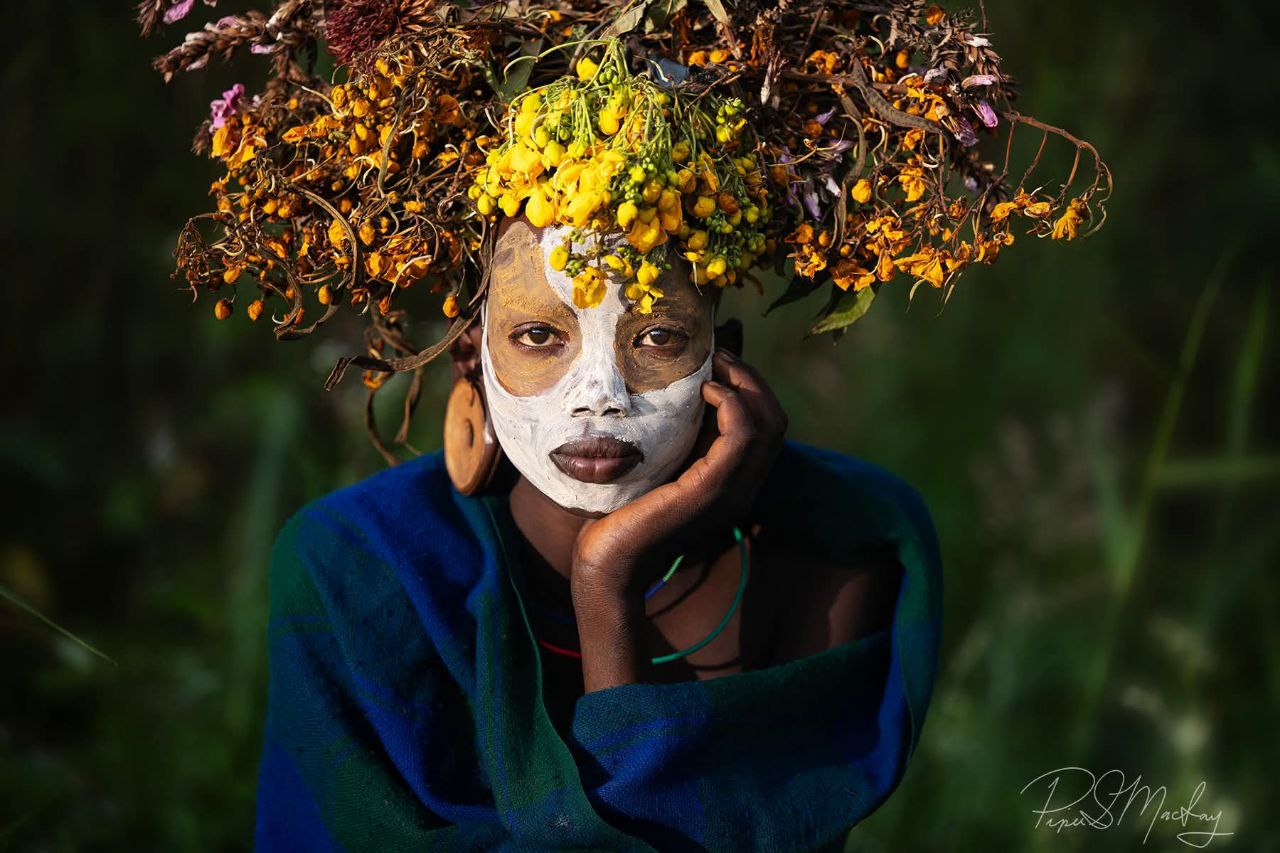
The 8 Days Southern Ethiopia Omo Valley Photography & Cultural Expedition is an unforgettable journey into one of Africa’s most visually stunning and culturally rich regions. The Omo Valley is home to numerous indigenous tribes, each with unique traditions, clothing, body art, and languages. This expedition is specially designed for photographers, cultural enthusiasts, and travelers seeking authentic experiences while capturing the beauty of tribal life and landscapes.
Throughout these 8 days, you will immerse yourself in vibrant tribal markets, photograph traditional ceremonies, and experience daily life in remote villages. This is more than a sightseeing tour; it’s a comprehensive cultural and photographic journey through Southern Ethiopia’s Omo Valley.
Why Choose the 8 Days Omo Valley Photography & Cultural Expedition?
- Professional Photography Opportunities: Capture high-resolution images of the Hamar, Mursi, Karo, Aari, and Dassanech tribes in natural environments.
- Cultural Immersion: Participate respectfully in tribal life, learning customs, rituals, and traditional crafts.
- Markets and Festivals: Experience bustling tribal markets and seasonal ceremonies, perfect for photography and cultural understanding.
- Scenic Landscapes: Photograph the Omo River, savannahs, hills, and remote villages with dramatic natural light.
- Ethical Travel: Engage responsibly with communities, respecting privacy while supporting local economies.
This 8 Days Southern Ethiopia Omo Valley Photography & Cultural Expedition is ideal for photographers, anthropologists, travelers seeking cultural authenticity, and anyone passionate about human diversity and visual storytelling.
Tour Highlights
- Meet Hamar, Mursi, Karo, Aari, Banna, Dassanech and other tribes
- Visit authentic tribal markets like Key Afer, Dimeka, and Turmi
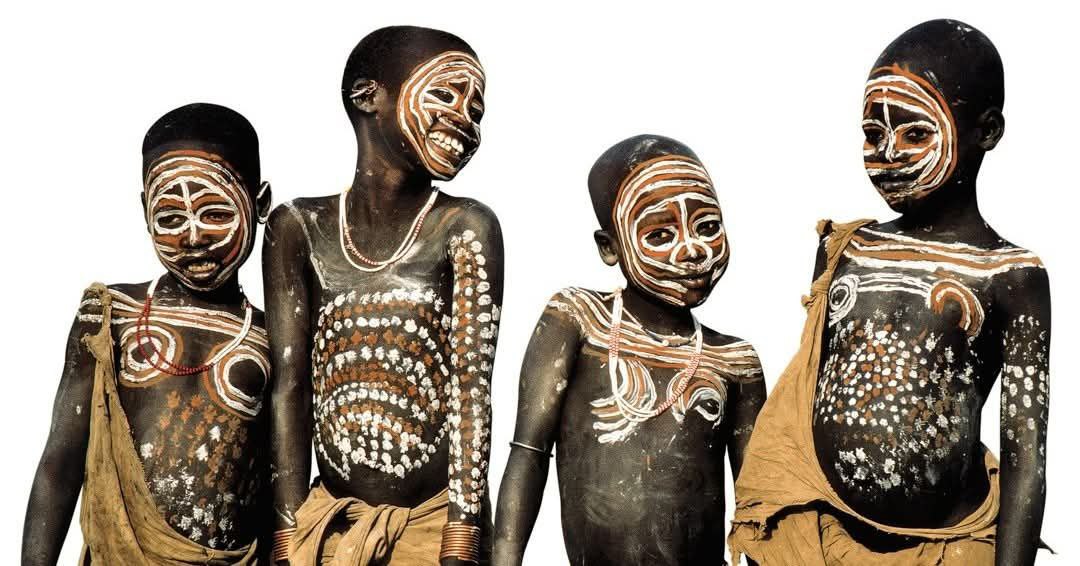
- Photograph body painting, lip plates, scarification, and traditional attire
- Witness bull-jumping ceremonies and other tribal rituals
- Explore riverine villages, agricultural communities, and pastoral lands
- Stay in traditional villages, guesthouses, and remote lodges
- Learn about tribal crafts, pottery, weaving, and beadwork
Detailed 8-Day Itinerary
Day 1: Arrival in Jinka and Omo Valley Orientation
Your expedition begins in Jinka, the main gateway to the Omo Valley. After settling into your lodge or guesthouse, enjoy an orientation session introducing the valley’s tribes, photography guidelines, and cultural etiquette. This ensures a respectful and immersive experience during the upcoming 8 days.
Photography Opportunities:
- Local landscapes around Jinka
- Village scenes and market streets
- Cultural displays at the Jinka Museum
Overnight: Jinka lodge or guesthouse
Day 2: Aari Villages and Artisan Photography
Drive south to visit Aari villages, renowned for their pottery, weaving, and agricultural lifestyle. Photograph the artisans at work, children playing, and women creating traditional crafts. The Aari offer a less touristy glimpse into Omo Valley life, perfect for candid cultural photography.
Highlights:
- Traditional pottery and weaving demonstration
- Village life photography
- Interaction with elders to learn about customs
Overnight: Local lodge or village homestay
Day 3: Lower Omo — Pastoral Tribes Along the River
Journey along the Omo River to meet Mursi, Karo, and Banna tribes. The pastoralist communities provide excellent photographic opportunities with cattle, river activities, and ceremonial dress.
Photography Highlights:
- Mursi women with lip plates and scarification
- Karo body painting and river fishing activities
- Banna pastoral life, livestock, and grazing scenes
Overnight: Lodge near river communities
Day 4: Mursi and Karo Village Immersion
Spend the day in Mursi and Karo villages capturing detailed shots of traditional life. Focus on rituals, body painting, adornments, and daily routines. Respectful interaction ensures authentic and ethical photography.
Highlights:
- Detailed portrait photography of tribal members
- Ceremonial dances and traditional attire
- Village structures and livestock photography
Overnight: Remote village lodge
Day 5: Tribal Market Day
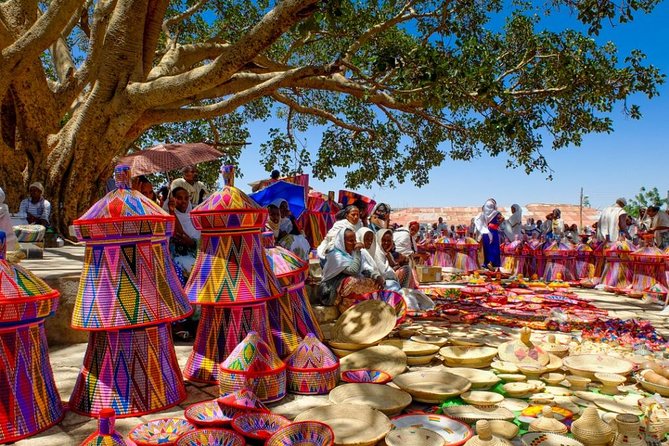
Visit one of the Omo Valley’s major tribal markets, such as Key Afer, Dimeka, or Turmi. These markets are hubs of trade, cultural exchange, and vibrant colors — ideal for photographers looking to capture authentic market life.
Photography Opportunities:
- Livestock trading, beadwork, and handmade crafts
- Portraits of traders, elders, and children
- Candid shots of market interactions and daily life
Cultural Engagement:
- Learn about barter and trading systems
- Observe inter-tribal communication and rituals
Overnight: Nearby market town lodge
Day 6: Hamar, Dassanech, and Banna Tribes
Travel to the Hamar villages to witness the famous bull-jumping ceremony, a rite of passage for young men. Photograph vibrant tribal attire, jewelry, and body art. Continue to Banna and Dassanech villages, exploring diverse livelihoods and river-based lifestyles.
Highlights:
- Hamar bull-jumping and cultural ceremonies
- Banna and Dassanech village photography
- Scenic Omo Valley landscapes
Overnight: Lodge or homestay near tribal villages
Day 7: Photography of Remote Omo Valley Landscapes
Dedicate the day to landscape and environment photography. Capture the Omo River, savannah plains, traditional village layouts, and natural scenery. Optional sunrise or sunset photography for dramatic light effects.
Photography Tips:
- Early morning or late afternoon for soft light
- Use wide-angle lenses for landscapes and village scenes
- Respect privacy; always ask before photographing people
Overnight: Lodge near Jinka
Day 8: Return to Jinka and Departure
Return to Jinka for your departure. Use any remaining time for last-minute photography, market visits, or cultural interaction. Reflect on the 8-day expedition, a journey filled with vibrant colors, human stories, and unforgettable experiences.
Highlights:
- Last-minute market or craft photography
- Departure preparations
Key Tribes and Photographic Subjects
- Hamar (Hamer): Bull-jumping ceremonies, colorful attire, jewelry
- Mursi: Lip plates, scarification, pastoral lifestyle
- Karo: Body painting, river-based activities, traditional adornments
- Aari: Pottery, weaving, farming, village life
- Banna & Dassanech: Agro-pastoral practices, riverine lifestyle
Tribal Markets: Vibrant Hubs of Photography
Key Afer Market: Multitribal gathering, vibrant colors, craft trade.
Dimeka Market: Hamar-dominated, perfect for capturing cultural rituals.
Turmi Market: Central for Hamar visitors, ideal for dynamic photography.
Local Town Markets: Everyday life, produce, and crafts.
Practical Travel Considerations
- Best Time to Visit: Dry season (June–February)
- Transport: 4×4 vehicles; roads can be rough
- Accommodation: Lodges, guesthouses, and homestays
- Packing Tips: Lightweight clothing, sun protection, insect repellent, camera gear, extra batteries, local currency
- Travel Insurance: Recommended due to remote areas
Ethical Photography and Cultural Engagement
- Always ask before taking photographs
- Respect ceremonial privacy and traditions
- Engage with guides to ensure respectful interaction
- Support local economies through fair purchases
- Avoid exploiting subjects for photographs
Why an 8-Day Expedition Is Ideal
The 8 Days Southern Ethiopia Omo Valley Photography & Cultural Expedition balances cultural immersion, market visits, and photography opportunities. It allows ample time to explore remote villages, photograph authentic rituals, and capture both human stories and landscapes without feeling rushed.
Perfect for:
- Professional and amateur photographers
- Cultural enthusiasts
- Travelers seeking authentic tribal experiences
- Ethical explorers and storytellers
Tips for a Successful Photography & Cultural Expedition
- Plan around market days and ceremonies
- Travel with a local guide familiar with tribes and schedules
- Respect modesty and customs in clothing and behavior
- Use natural light for portraits and landscapes
- Engage actively with villagers for authentic storytelling
- • Professional English-speaking guide
- • Private transportation throughout the tour
- • Entrance fees to all attractions
- • Bottled water
- • Traditional Ethiopian lunch at a local restaurant
- • Pickup and drop-off from your hotel
- • Personal expenses (souvenirs, snacks, etc.)
- • Gratuities for the guide and driver
- • Any activities not mentioned in the itinerary